
 By Mukesh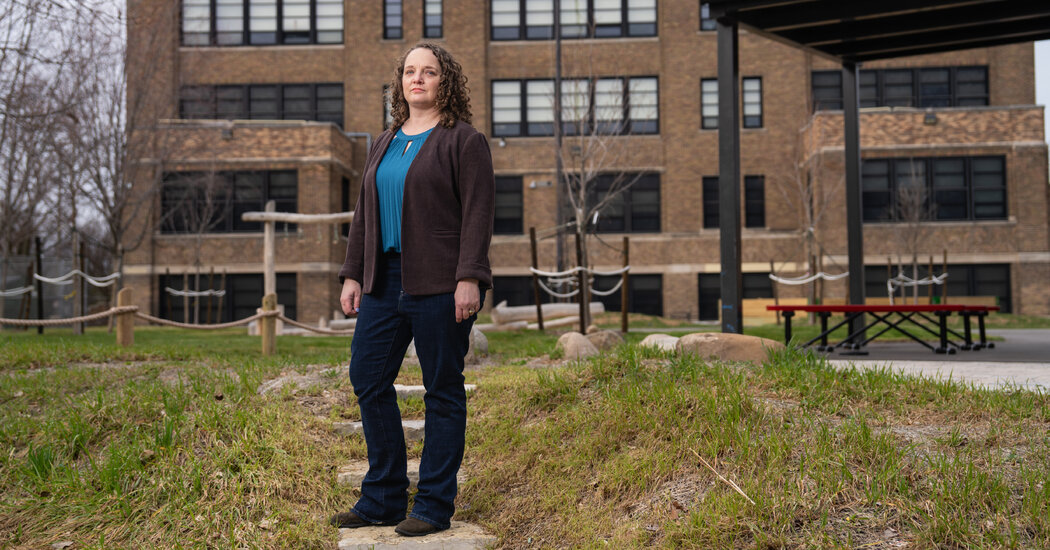
Lost Science is an ongoing series of accounts from scientists who have lost their jobs or funding after cuts by the Trump administration. The conversations have been edited for clarity and length. Here’s why we’re doing this.

Kirsten Beyer: We had a three-year study, funded by the Environmental Protection Agency, focused on environmental health among children. We had two main aims. The first was to develop a curriculum so that Milwaukee Public Schools teachers could teach about environmental health, environmental health disparities and climate change.
The second aim was to look at the impact of schoolyard greening on health and environmental outcomes. There’s this greening initiative in Milwaukee to redevelop schoolyards. Many of them were sheets of asphalt. A lot of them were in disrepair. The redevelopment plans included things like planting trees, adding outdoor classrooms, improving storm water drainage with green infrastructure and improving sports fields and natural play spaces.
We built a study to collect data before and after. There are lots of schools around the country that have similar situations, so we were excited about sharing our results and informing other jurisdictions about the impact of this redevelopment.
We had the kids complete surveys. We measured things like social and emotional health, environmental health literacy, attitudes toward outdoor play. We also had sensors that measured their physical activity levels, time spent outdoors and where they spent time in the schoolyard. We went out and observed recess. How are kids playing? How is conflict being resolved? How engaged are the teachers or monitors? We measured air pollution and how hot those schoolyards were before greening.
We were in the field in May 2025, collecting our final post-redevelopment data, when the grant was canceled. It was a shock. We had hired people as data collectors and had a month of data collection left.
I decided to rustle up some other resources just to get data collection done. But then we had no more money to support our community partners, staff or graduate students. We had to take people off this project.
Now we’re trying to do something with all of this data that we’ve collected: process it, analyze it and, importantly, share it.
We have just piles of data. There are papers that won’t get written and data that won’t be shared because this happened.
But I can’t just abandon this work. This is important to my community partners. This is important to other schools. And this is important to all of the kids who gave us their time, all the parents who allowed us to do research with their kids. There’s a moral imperative to continue the work, albeit slowly.
Kirsten Beyer is a health geographer at the Medical College of Wisconsin.