
 By Mukesh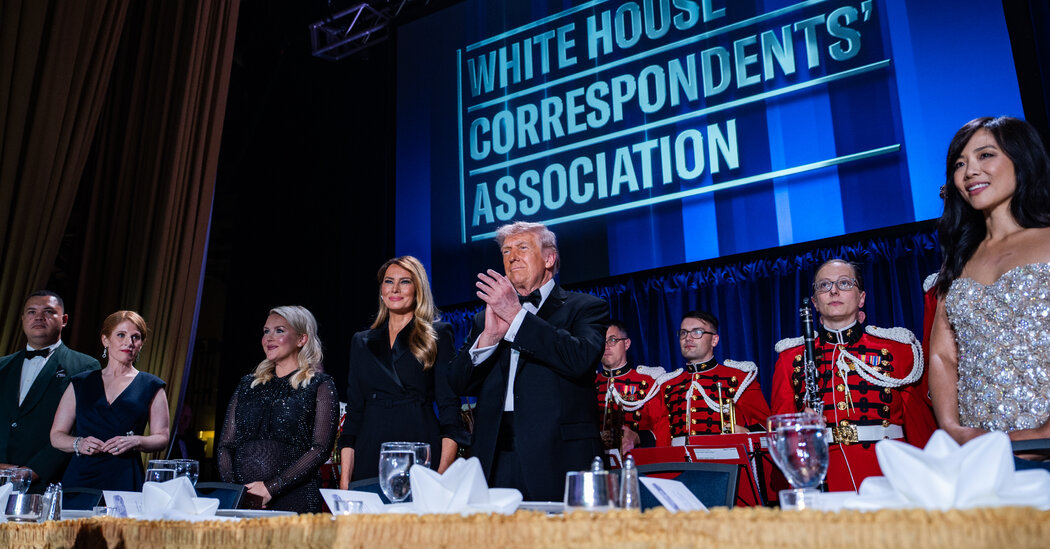
“Suddenly it wasn’t about getting the labor secretary anymore,” she said. “It became vital to bring in stars from ABC’s prime time entertainment shows, along with sports stars and movie stars.” Over time, she added, “it felt like there was little left that had to do with White House coverage.”
There is no way to know how many working White House journalists actually attend the event, according to the person familiar with the organization’s operations. The media companies that buy tables are asked to send in the names of their guests to include in the dinner program, but only about half of them do. Of the 1,200 names received this year, about a third were White House journalists, the person said.
Kara Swisher, the tech journalist who once helped report on the dinner when she was a news aide for The Washington Post’s Style section in the 1980s, has offered in lieu of the dinner to help fund the scholarships. She thinks that television executives should do the same.
“Some of them are quite wealthy, those broadcast people,” she said. “Each of them could give $10,000, $20,000, and raise the money quite quickly.”
As for the dinner, “the whole thing looks insane that it goes on,” Ms. Swisher said. She has never been a fan, but the prospect this year of journalists sitting through a diatribe against the media from Mr. Trump was to her a new low. “If that speech had happened, what were they going to do?” she said. “Get up and walk out? What were they doing there in the first place?”
Ms. Page disagrees. “It would have been interesting to see what President Trump was going to say at the dinner, and how Weijia Jiang would respond,” she said. “I’m sort of sorry we didn’t get to have that.”
David A. Fahrenthold contributed reporting.