
 By Mukesh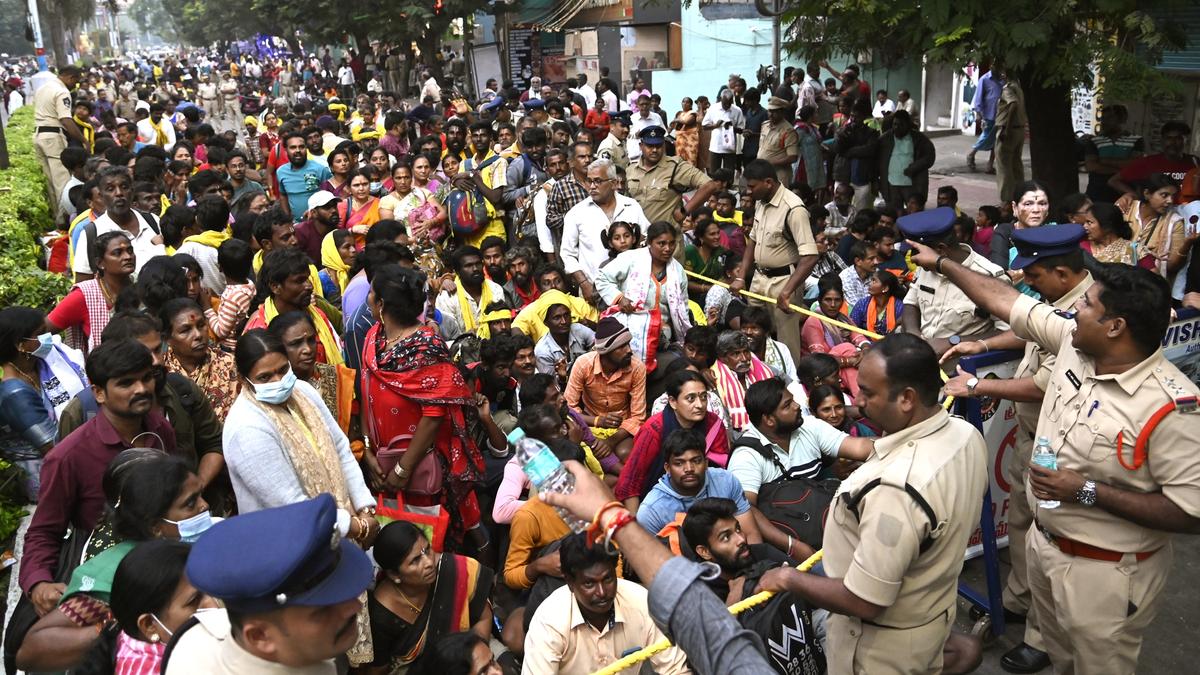

The Andhra Pradesh High Court has directed the Tirumala Tirupati Devasthanams (TTD) to take a decision within four months on a representation seeking the inclusion of critical autoimmune disorders, severe haematological conditions and rare diseases in its special darshan quota for medical cases.
Justice Ninala Jayasurya passed the order while hearing a writ petition filed by S.K. Srikrishna Yesaswi, an advocate based in Ichchapuram.

In a representation to the TTD in December 2025, the petitioner sought darshan of the presiding deity for persons with severe autoimmune disorders such as lupus and inflammatory bowel disease, along with certain rare diseases and serious haematological conditions. He pointed out that the TTD currently allows cancer patients and those who have undergone organ transplantation and open-heart surgery to have darshan through Supadham.
The advocate also sought permission for one person to accompany each patient and a rationalisation of the quota system to ensure equitable access. The crux of the representation, he said, was that ‘invisible suffering’ was often overlooked.

For many patients living with autoimmune and rare disorders, physical appearance does not adequately reflect the severity of the condition, he said. Prolonged standing, extensive travel, exposure to crowds or waiting for hours could trigger exhaustion, pain, inflammation, immune complications or medical distress.
In many cases, the illness fluctuated unpredictably, making ordinary public movement difficult even when outward signs were absent, Mr. Yesaswi said in his plea. The order was passed on Tuesday (April 28, 2026).

Kota Krishna Deepthi, counsel for the petitioner, said the issue assumed particular significance at places of faith that witnessed large volumes of pilgrims daily. For many devotees, spiritual visits continued to hold emotional and cultural importance even when illness reshaped the body’s limits.
Most institutional systems were historically designed around visibly identifiable disability or acute emergency categories, and invisible illnesses often fell between those definitions, she said.
The petition did not seek a direct judicial mandate compelling the TTD to alter its policy immediately. Instead, it sought fair and time-bound consideration of the pending representation, so that people suffering from such debilitating diseases could have darshan without difficulty.