
2 May 2026, Sat

Why did the UAE quit OPEC and OPEC+?

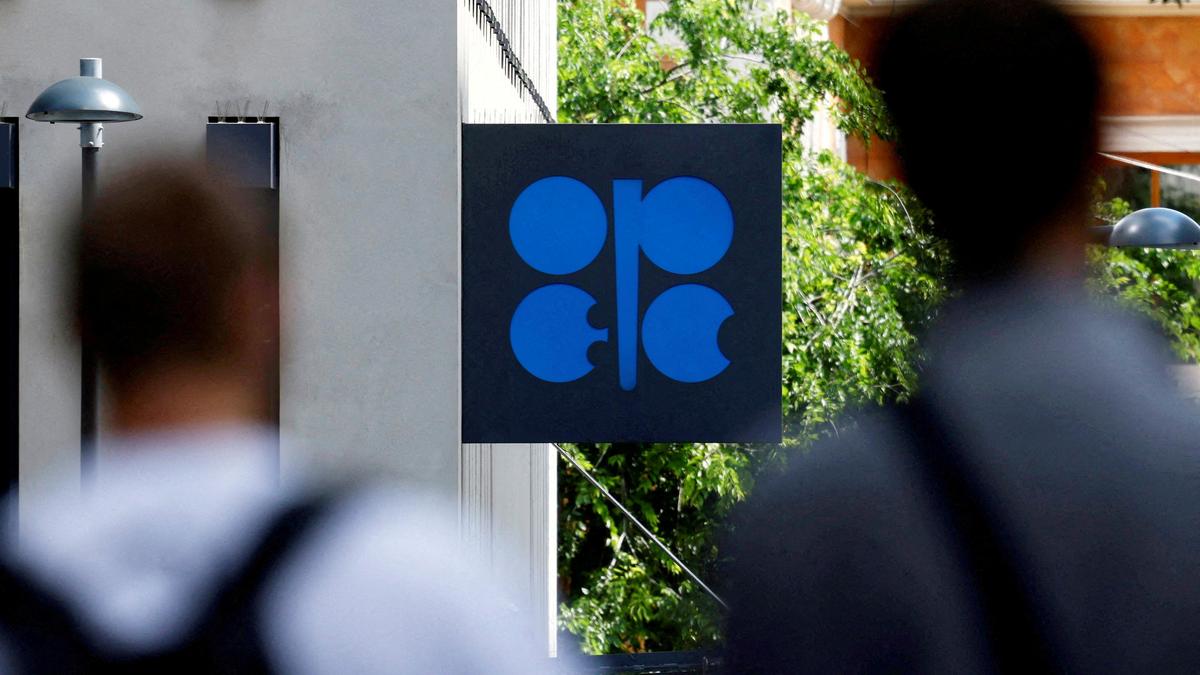
File picture of the logo of the Organization of the Petroleum Exporting Countries (OPEC) outside its headquarters in Vienna, Austria. The UAE’s decision dealt a heavy blow to the oil exporting groups and their de facto leader, Saudi Arabia, at a time when the Iran war has caused a historic energy shock and unsettled the global economy.

File picture of the logo of the Organization of the Petroleum Exporting Countries (OPEC) outside its headquarters in Vienna, Austria. The UAE’s decision dealt a heavy blow to the oil exporting groups and their de facto leader, Saudi Arabia, at a time when the Iran war has caused a historic energy shock and unsettled the global economy.
| Photo Credit: Reuters

The story so far:

On May 1, the United Arab Emirates (UAE) officially exited the Organization of the Petroleum Exporting Countries (OPEC) and OPEC+. While OPEC is a permanent intergovernmental organisation founded in 1960 to coordinate the petroleum policies of its member countries and stabilise global oil markets, OPEC+ is a broader alliance formed in 2016 that includes the core OPEC members along with 10 additional major oil-producing nations, most notably Russia. The UAE’s decision dealt a heavy blow to the oil exporting groups and their de facto leader, Saudi Arabia, at a time when the Iran war has caused a historic energy shock and unsettled the global economy.

By Mukesh

Leave a Reply

Your email address will not be published. Required fields are marked *